Specialized and Controlled-Use Android Device Programs
Program pages for Android devices defined by rules: approved apps, restricted functions, faith-based review packets, policy-controlled builds and staged batches for partner-led deployments.
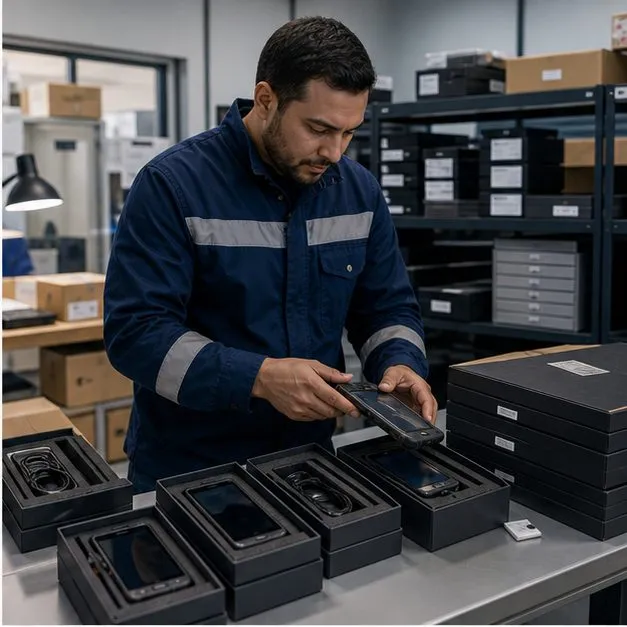
Controlled-use program pages
Controlled-use programs need a build, not only a rule list
Specialized Android programs are usually defined by what the device should not do as much as by what it should do. A community device, restricted-use phone, financed device or kiosk device needs an approved app set, policy behavior, user flow, update path, known limitations and a batch record. Vantora turns that rule set into a build spec, validated sample and staged device batch.
Choose the right specialized program page
Start with the page that matches the buying question. If you are running a community or institutional deployment, use the deployment page. If you are a distributor or program owner sourcing restricted-use phones at the upstream level, use the manufacturing page. If the core requirement is a broader policy-controlled device, use the restricted-use page.
| Program path | Best starting point | Primary validation issue |
|---|---|---|
| Kosher phone deployment | Community, school, institution or program operator | Approved app set, browser policy and sample review |
| Kosher phone manufacturing | Distributor, retail network or upstream B2B program owner | Review packet, batch records and partner-safe delivery |
| Restricted-use Android devices | Enterprise, public-sector or controlled-field program | Policy behavior, reset path and allowed functions |
| Dedicated kiosk devices | Single-purpose self-service or task device | Kiosk state, support exception and recovery path |
Brief to approved feature set
The first task is to write the approved feature set in testable language. The brief should identify allowed apps, blocked apps, browser rules, camera or media position, contacts, calling, messaging, accounts, store access, update path, reset behavior, support contact and who accepts the sample. Each item can then become a row in the acceptance matrix.
Validation protects the program owner
Restricted-use language creates risk if it is not backed by sample evidence. Vantora validates the chosen model and management mechanism on a real sample, records known limitations and stages the accepted configuration for the production batch. This does not replace an approval body or legal review. It gives those reviewers a stable technical baseline.
FAQ
Is Vantora the approval body for controlled-use programs?
No. Vantora prepares and validates the technical device build. Program approval remains with the appropriate internal, community, religious, legal or agency authority.
Can a controlled-use device block every unwanted behavior?
No supplier should promise that across every model. Controls are OEM-, Android- and management-stack-dependent and must be validated on the selected sample.
What is the first artifact to create?
Start with an approved feature set and convert it into an acceptance matrix. That matrix then drives device selection, policy configuration and sample review.
Can these programs be white-label for distributors?
Yes. Partner-led programs can use redacted briefs, NDA review and white-label or neutral delivery where feasible and documented in the project structure.
Do specialized programs need a custom ROM?
Not always. Some can use MDM/EMM policy, launcher control or OEM-supported configuration. Deeper firmware work is scoped only when lighter mechanisms cannot deliver the validated requirement.
Tell us your workflow and rules.
We turn requirements into deployment-ready devices.