Mobile Device Lifecycle Management for Android Rollouts
Keep the accepted device build supportable after launch: version records, EOL notice, spare units, warranty path, reorders, replacement flow and known limitation updates.
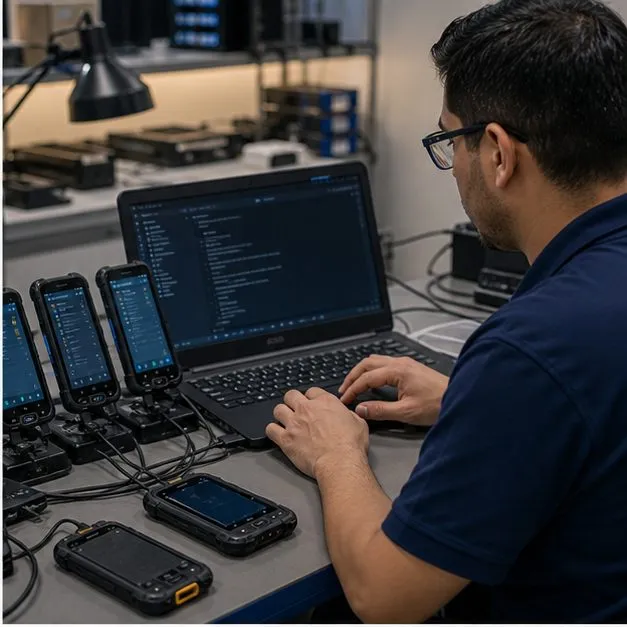
A rollout does not end at shipment
The same device build must stay understandable months after the first batch ships. Lifecycle management records what was delivered, what changes later, which spare path exists, which firmware baseline is accepted and how a reorder should match or intentionally differ from the original build.
Lifecycle records to maintain
| Record | What it tracks | Why it matters |
|---|---|---|
| Build version history | Firmware, app, launcher, policy and packaging versions | Shows what changed between batches |
| EOL and substitute plan | Component, model or accessory changes | Lets the program approve alternatives before supply disruption |
| Spare and replacement pool | Spare units, accessories and repair path | Supports field replacement without restarting procurement |
| Warranty and RMA path | Defect handling, return flow and evidence needed | Keeps support roles clear |
| Known limitations update | New OEM, MDM, app or market constraints | Prevents old assumptions from surviving into reorders |
Version control for reorders
Reorders should either match the accepted baseline or document exactly why they differ. Vantora records firmware, Android version, app package, policy version, accessory kit and packaging state for each batch. When a component or model changes, the change should trigger a sample review before a new batch is accepted. What a device has to carry beyond MDM enrolment to survive that cycle is separated in MDM-ready vs rollout-ready Android devices.
EOL, spares and replacement flow
Device models, components and accessories eventually change. A lifecycle plan names the expected supply window, EOL notice path, alternate models, spare unit policy, repair process and support contact. The goal is not to promise permanent availability, but to give the program a responsible way to handle change.
Responsibility boundaries after rollout
Lifecycle responsibilities should be named in the matrix. The app team may own app updates, the MDM vendor may own policy console behavior, the OEM may own hardware warranty, the partner may own field support and Vantora may own batch records, reorders and device build coordination. Clear boundaries prevent support issues from becoming channel conflict.
Names owners for app updates, policy changes, warranty, support, reorders and EOL decisions.
FAQ
Can reorders match the original batch?
Reorders can be staged against the accepted baseline where model and component availability allow it. Any change should be documented and validated before shipment.
Do you promise long-term device availability?
No page should promise fixed multi-year availability without evidence. Vantora tracks EOL risk, proposes alternates and documents changes when supply shifts.
Who owns app updates after rollout?
Usually the app team owns app behavior and updates, while Vantora can help coordinate device build implications and batch records. The responsibility matrix should name the owner.
Can spare units be staged with the same build?
Yes. Spare or replacement units can be staged with the accepted build and recorded against the same version baseline where supply allows it.
What should happen when a model goes EOL?
The program should review a substitute model, validate a sample, update the known limitations list and record the change before a new batch ships.
Tell us your workflow and rules.
We turn requirements into deployment-ready devices.