Device Requirement Analysis for Validated Android Rollouts
Turn a workflow, app, policy requirement and target market into a device shortlist, build path, risk register and sample validation plan before choosing a model.
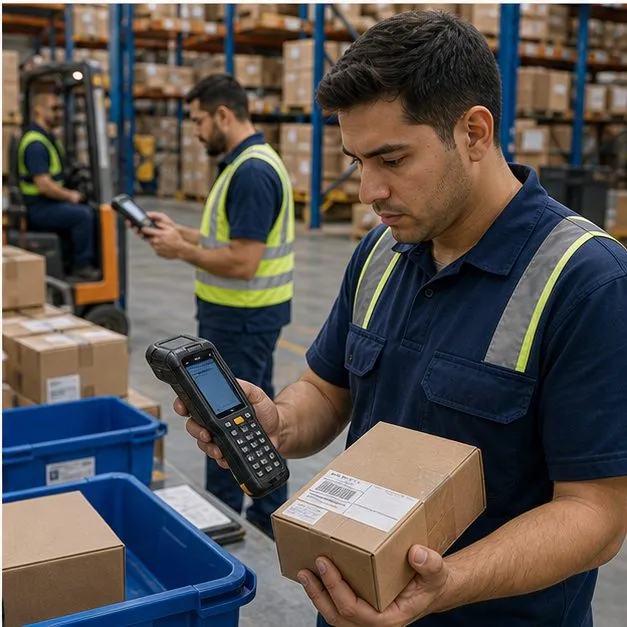
Do not start with a model number
Most failed device projects choose hardware too early. Solution discovery starts with the work: who uses the device, where it is used, what app or workflow it runs, which functions must be allowed or restricted, what connectivity and target-market rules matter, and what quantity band the rollout expects. Only then does Vantora map the requirement to a practical Android device build path.
Brief inputs that change the build path
| Input | Why it matters | Example decision it affects |
|---|---|---|
| User workflow | Defines form factor and ergonomics | Phone, tablet, handheld computer or kiosk device |
| App readiness | Shows integration and preload risk | APK preload, account flow, offline mode or API test |
| Restriction policy | Defines management and launcher needs | MDM policy, kiosk mode, AOSP or OEM configuration |
| Target country | Drives radio bands and certification assumptions | Model shortlist and certification support path |
| Quantity band | Shapes MOQ, sample plan and production path | Stock model, ODM variant or deeper OEM work |
| Acceptance owner | Names who signs off the sample | Acceptance matrix and review schedule |
Outputs from discovery
A useful discovery output is short, specific and testable. It should name the recommended form factor, candidate device paths, build mechanism, known dependencies, validation risks, sample plan and the first acceptance rows. This becomes the first version of the device build spec rather than a generic quotation. The question set behind that output is published as the 20-question feasibility review, and the document it turns into is described in the Android device build spec.
From discovery to validated sample
Discovery does not end with advice. The next step is to convert the recommendation into a sample validation plan: what device will be tested, which app version will be loaded, which policy will be applied, which controls must pass and what known limitations should be reviewed before production. This keeps feasibility tied to evidence.
Common risks found early
- The preferred device lacks the needed radio bands or target-market path
- The app assumes services that are not available on the chosen GMS/AOSP direction
- A requested restriction depends on OEM support or device-owner privileges
- A scanner, RFID, camera or dock requirement points to a different form factor
- The MOQ implied by the customization depth does not match the planned quantity
FAQ
What do you need to start discovery?
A redacted brief with users, workflow, app status, restrictions, target country, quantity band, timeline and acceptance owner is enough for an initial review.
Is discovery the same as a quote?
No. Discovery produces a recommended build path and risk list. A quote follows once the device, scope and validation plan are specific enough.
Can Vantora recommend whether to use stock, ODM or OEM path?
Yes. The recommendation depends on hardware fit, customization depth, quantity band and target-market needs.
How quickly can a feasibility memo be produced?
Timing depends on the brief quality and dependencies. A narrow brief can be reviewed faster than a broad request that needs multiple device paths compared.
What happens after discovery?
The selected path moves into a device build spec, sample plan and acceptance matrix before any batch commitment.
Tell us your workflow and rules.
We turn requirements into deployment-ready devices.