Inventory Counting Devices for Barcode, RFID and Cycle Counts
Android handhelds and RFID readers selected around the count method, item environment and inventory app, then validated with sample counts before batch rollout.
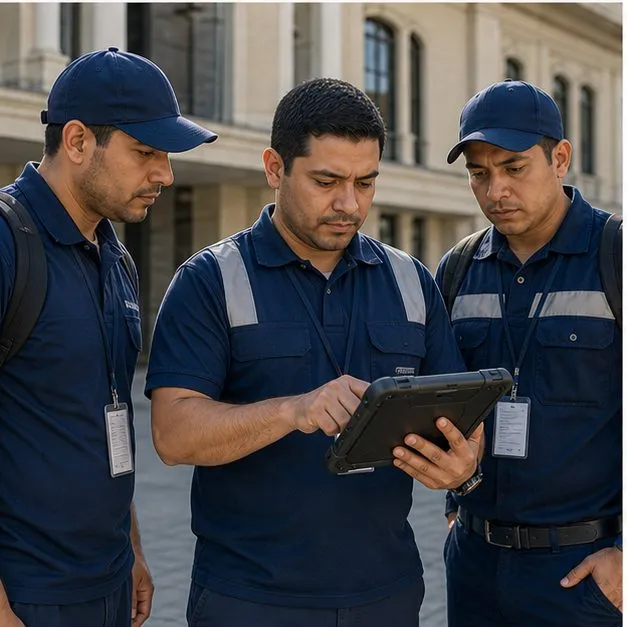
Start with the count method, not the scanner model
Stocktakes, cycle counts, location audits and asset checks place different pressure on scan speed, read distance, battery and reconciliation. Vantora uses the workflow brief to decide whether barcode, UHF RFID or a mixed device fleet is the safer path to validate. Where the answer is RFID, the hardware side is in handheld RFID readers; counting inside a plant usually belongs to a wider manufacturing device rollout.
Barcode vs RFID inventory counting
Barcode is usually best when item-level, line-of-sight confirmation matters. UHF RFID can support faster bulk reading when tags, materials, shelves and read zones are suitable. Many deployments need both, with different app screens and acceptance checks.
| Counting path | Best fit | Validation evidence |
|---|---|---|
| Barcode handheld | Item, carton or location scans where workers can see the label | Scan trigger behavior, label formats, WMS input, missed-scan handling and battery runtime. |
| UHF RFID reader | Bulk asset or inventory reads where tags and environment support RF performance | Tag sample set, read distance, duplicate handling, dead zones and reconciliation logic. |
| Mixed barcode + RFID fleet | Sites with both precise item confirmation and fast bulk counting | Role-based app setup, device groups, training labels and staging records by workflow. |
Recommended device options
Final model selection is OEM- and platform-dependent and is confirmed against the agreed sample set.
- Handheld mobile computer for barcode stock counts and location scans
- UHF RFID handheld reader for validated bulk-count or asset workflows
- Rugged tablet or workstation companion for exception review and reconciliation
Inventory workflow acceptance checks
Before production, the accepted sample should prove the scanning path, counting app state, offline behavior, synchronization rules and shift runtime.
| Check | What is reviewed | Why it matters |
|---|---|---|
| Capture reliability | Barcode formats, RFID tags, trigger behavior and exception flow | Prevents a good-looking device from failing on the real label or tag set. |
| App and data flow | WMS/ERP app, scanner wedge or SDK mode, offline queue and deferred sync | Keeps counts usable when coverage or backend access changes during a count. |
| Site operation | Battery, Wi-Fi roaming, hand strap, pistol grip, labels and charging plan | Turns the device into a shift-ready kit rather than a loose handheld. |
Integration with inventory systems
Vantora can preload the inventory app, configure scanner input mode and stage devices for the correct site group. Offline-first operation with deferred sync is configurable when the app and system flow support it.
Evidence Vantora can hand over with the batch
The useful output is not only the device. It is the accepted configuration and the record that explains how each unit was prepared.
Capture method, app input mode, offline behavior, tag or label sample, accessories, charging and site group.
Device identifiers, app version, policy group, label state and charger or accessory kit per batch.
FAQ
Should we use barcode or RFID for inventory counting?
Barcode for precise, line-of-sight item scans; UHF RFID for fast bulk counts and asset tracking. We help you choose, and many sites use both.
Can the device work offline during a stocktake?
Yes — offline-first batch capture stores counts locally and syncs to your system when back in coverage.
Can it integrate with our inventory system?
Yes. We preload and configure your WMS/ERP or counting app and expose the scanner via SDK / keyboard wedge.
What is the minimum order quantity for counting devices?
Programs quote from around 500 units upward; barcode handhelds and UHF RFID readers can differ in the exact model minimum inside that band. A typical program validates one sample per device family, runs a pilot count, then confirms production quantities per model in the feasibility response.
Who is responsible if counts go wrong after deployment?
The responsibility matrix separates the failure modes: Vantora owns the accepted device configuration and batch record, the app owner owns counting logic and reconciliation, and tag or label quality stays with the site owner. That split is agreed before staging, not after an incident.
Tell us your workflow and rules.
We turn requirements into deployment-ready devices.